Eco-Friendly Landscaping Solutions for a Sustainable Outdoor Space Jun 29, 2026
The first step toward sustainable landscaping is choosing native plants for your garden. Native plants are perfectly adapted to local climate conditions, requiring less water and fertilizer than non-native species. This not only reduces water usage but also decreases dependency on chemical treatments, promoting a healthier ecosystem. Native plants attract local wildlife, including birds and pollinators like bees and butterflies, fostering a vibrant and balanced environment in your garden.
Incorporating efficient water management strategies is another vital component of eco-friendly landscaping. Implementing drip irrigation systems can significantly conserve water. These systems deliver moisture directly to the plant roots, minimizing evaporation and ensuring that water is used efficiently. Rainwater harvesting is another innovative approach. By collecting rainwater from your roof into barrels, you create an additional water source that can be used to nourish your garden.
Sustainable landscaping also involves smart lawn care. Traditional lawns can be quite resource-intensive, requiring frequent watering, mowing, and fertilizing. Consider reducing the size of your lawn or replacing it with drought-resistant grasses and groundcovers. These alternatives thrive with less water and maintenance, providing an eco-friendly solution that still offers a lush, green expanse.
The use of organic soil enhancers is a green alternative to conventional fertilizers. Composting is an excellent way to enrich soil naturally. By recycling kitchen scraps and garden waste into compost, you reduce landfill volume and create a nutrient-rich additive for your plants. This practice enhances soil structure and fertility, supporting plant health without the need for synthetic chemicals.
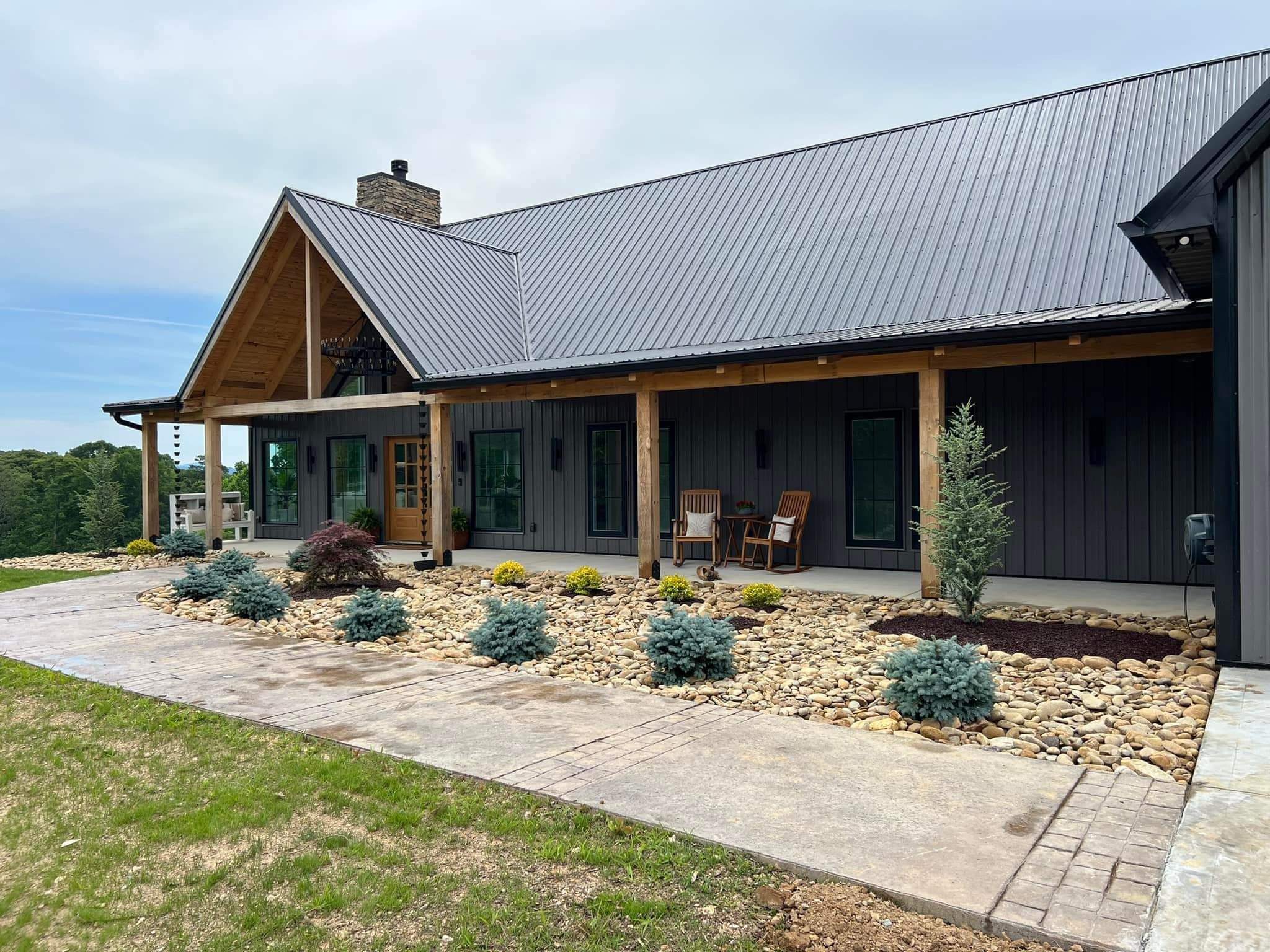
Another strategy for sustainable landscaping is the integration of hardscaping elements. By adding walkways, patios, and permeable paving, you can reduce the amount of water-hungry lawn space while providing functional and aesthetically pleasing areas for outdoor activities. Permeable paving is particularly beneficial as it allows water to percolate through the surface, reducing runoff and promoting groundwater recharge.
Eco-friendly landscaping isn't just about plant and soil care; it also involves mindful landscape design. Thoughtful planning can maximize energy efficiency. Planting deciduous trees strategically around your home can provide shade in the summer and allow sunlight in the winter, reducing reliance on air conditioning and heating.
At Wiles Lawn and Landscaping, we are dedicated to helping you create a sustainable outdoor space that reflects your values and enhances your home’s natural beauty. By embracing eco-friendly landscaping solutions, you contribute to a healthier planet and enjoy the benefits of a self-sustaining garden. Sustainable landscapes provide not only environmental benefits but also create a serene, enjoyable outdoor sanctuary.
For more guidance on sustainable landscaping solutions, contact Wiles Lawn and Landscaping. Our team of experts is committed to helping you transform your landscape into an eco-friendly oasis, making the world a little greener, one yard at a time.
/filters:no_upscale()/filters:format(webp)/media/a512ba9f-c2d2-4669-9141-aa6ce987cf1b.jpeg)